You Don’t Need to Pay Monthly for Email Automation – The Real Keys of Email Marketing
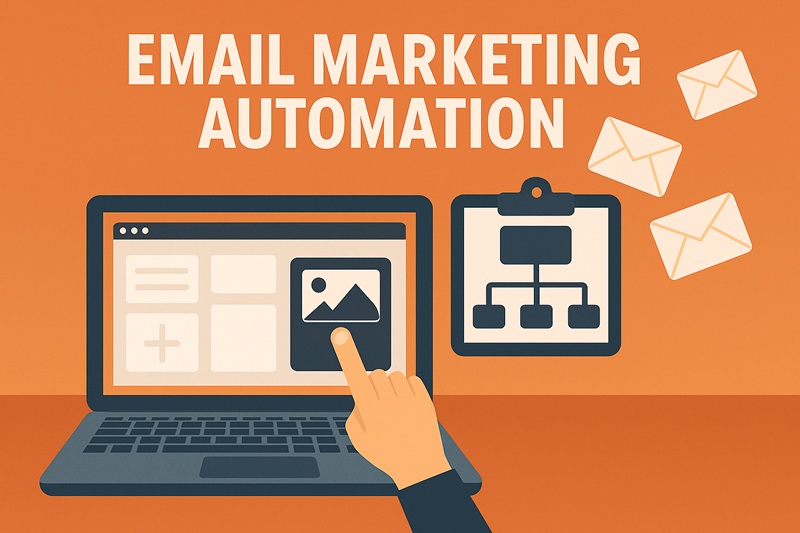
Let’s get something straight: most of what passes for “automation” in the email marketing world is just a webhook. A basic trigger and response. That’s it. There’s nothing mystical about it. You can set it up for free using tools like Make.com, WordPress, Shopify, Airtable, Uncanny Automator, Bit Apps, or N8N. These aren’t underground tools—they’re well-known, rock-solid platforms that can handle the exact same sequences Mailchimp and Klaviyo charge you $250/month to pretend are “advanced.” But they’re not. They’re entry-level. This stuff is 101. This is elementary school marketing logic. It’s baby food, dressed up with premium price tags.
Let’s take cart abandonment as an example. Someone hits your checkout page, enters their email, doesn’t buy, and leaves. That’s a signal. Any of the above tools can catch that event and send a webhook to fire an email. Done. You could build this in under an hour with no monthly subscription required. Same for post-purchase sequences, welcome series, birthday emails, win-back flows—whatever. It’s all conditional logic tied to a webhook or a database change. There is no universe where that’s worth hundreds of dollars per month unless you’re being fleeced—or lazy.
Newsletter Templates are Not the Point or Necessary
And don’t even get me started on the obsession with “beautiful” newsletter templates. You’re not selling NFTs to a fashion agency in SoHo. You’re sending messages to real people who care about your brand, your offer, and your relationship with them. Do you really think a gradient-filled HTML block with three “hero” images and five icons is going to outperform a plain, simple message written in your voice? The reality is, people respond to substance, not fluff. And that’s why MailBullet includes a drag-and-drop builder that’s clean, lightweight, and vibe-coded for those who want it. But the real value? The real game? It’s in automating what goes into the email, not how it looks when it lands in the inbox.
You don’t even need an ESP if you’re just getting started. You could be sending 2,000 emails a day from your Google Workspace account. That’s a great solution for small, tight operations. You just need a clean list and good judgment. And if you’re running your business properly—meaning, you’re building real relationships and delivering value—then 2,000 emails a day will quickly become not enough. When that day comes, that’s when MailBullet steps in. But even then, it’s not about the sending platform. It’s about the relationship with the recipient. That’s all email ever was.
People ask about CRM features too. “Does MailBullet double as a CRM?” No. And it shouldn’t. Your email sender is not your customer relationship management system. It’s too weak, too one-dimensional. CRMs are about intelligence, about aggregating data, touchpoints, behavior, buying patterns—not about sending newsletters. HubSpot knows this. Even Salesforce knows this. That’s why they integrate with email platforms—they don’t try to replace them. Klaviyo and Mailchimp pretend to be CRMs, but they’re really just half-baked ESPs with inflated dashboards and black-box logic that gatekeep your own customer data while charging you monthly for the privilege.
Let’s call it what it is: extortion. The entire model is built around you not knowing better. Around fear. Around convenience. Klaviyo charges you not because it costs more to deliver emails to 5,000 people than to 500—it’s because you’re more invested. You’re less likely to move. You’re less likely to challenge them. And the shills online? They know this. They make massive recurring commissions from people they lock into the trap. That’s why they talk about “high ROI automations” and “segments that convert.” They’re not wrong, but they’re lying by omission. They’re selling you on magic tricks you can do yourself for free.
Warm vs Cold Email Marketing
Let’s make it simple. Email marketing is not spam. Emailing someone who doesn’t know you, who didn’t ask to hear from you, who has no idea who you are—that’s spam. Emailing people who came through your forms, your sales funnel, your lead magnet, your store checkout, your support desk—that’s not spam. That’s outbound marketing. That’s direct communication. That’s warm email, and it’s ethical, effective, and totally legitimate. And here’s the ultimate rule: don’t email anyone you wouldn’t call on the phone yourself. If you follow that, you’ll never go wrong.
So yes—email your people. A lot. But only the ones who know you, like you, trust you. Only the ones you’ve actually connected with. You should know how they got on your list. If you don’t, don’t email them. It’s that simple. And when you do send emails? Make them good. Give value. Give more than you’re comfortable with. Follow up for weeks after a purchase. Send monthly updates. Bi-monthly offers. Insights. Surprises. Give and give until it feels like too much—then send a little more. That’s how you build a list that converts for life.
Kill’em with So Much Value The Never Want to Leave
And most importantly? Make it easy to opt out. Put the unsubscribe link at the top if you want. Don’t trap anyone. Don’t trick anyone. You don’t want people on your list who don’t want to be there. Because if they don’t want to hear from you, Google already knows. Microsoft already knows. Your emails will go to spam or promotions or disappear into the black hole. The inbox isn’t a right. It’s an earned privilege. Be valuable. Be real. Be consistent.
MailBullet is here to give the power back to the people. You don’t need overpriced tools. You don’t need marketing mysticism. You don’t need gurus. You need clarity, ethics, and execution. And we’re here to help.
You know what to do. Fire off the fees. Forge your empire. Email like you mean it.