Drip Campaigns Explained: A Step-by-Step Guide
If you want to nurture leads and convert them into paying customers, drip campaigns are your secret weapon.
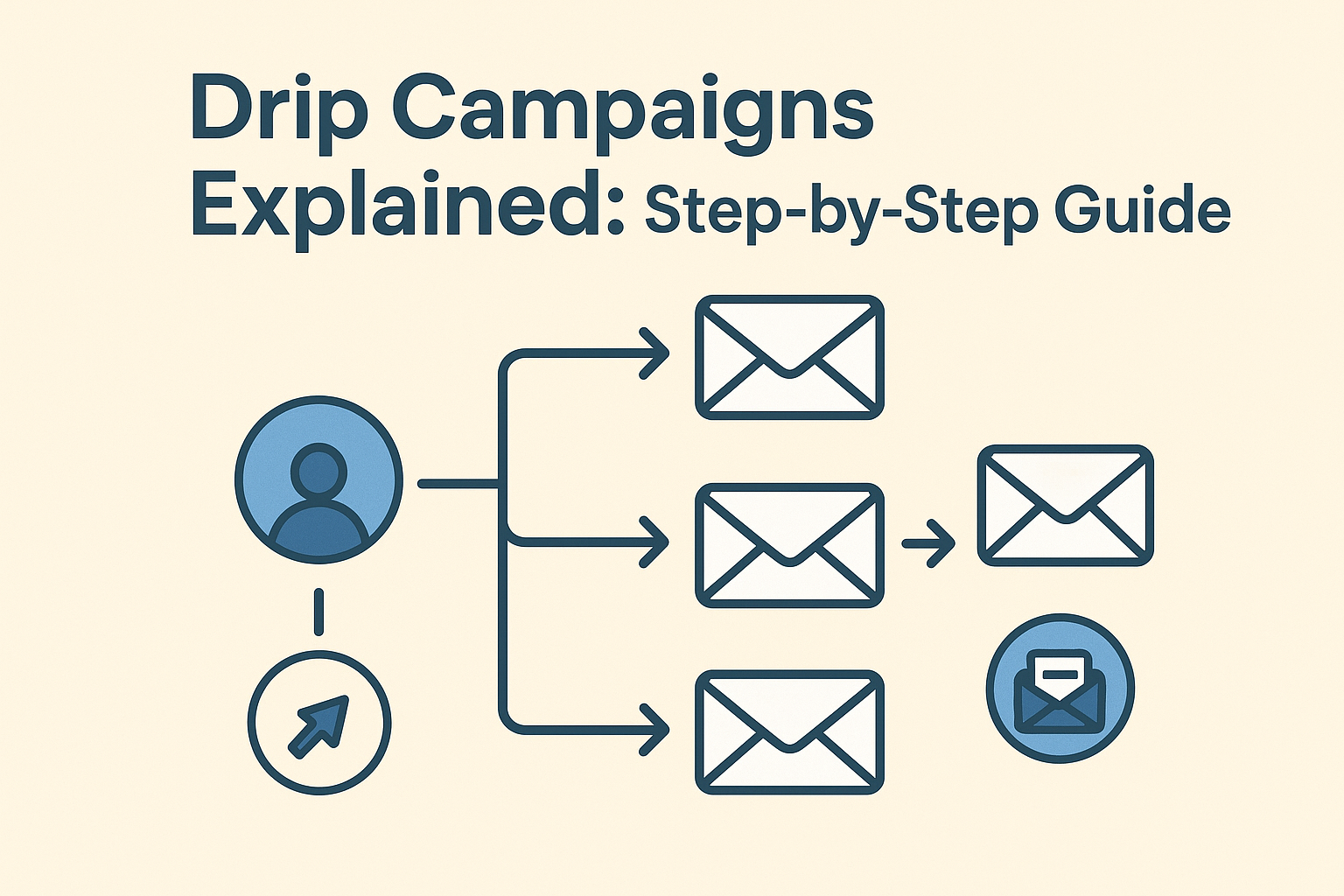
In 2025, email marketing is more competitive than ever. Simply sending one-off emails won’t cut it. Drip campaigns — automated, sequenced emails triggered by user behavior — help you stay top-of-mind, educate your audience, and drive sales automatically.
This guide will explain drip campaigns, why they work, and how to build one step-by-step.
What is a Drip Campaign?
A drip campaign is a series of automated emails sent to subscribers over time. These emails are triggered by specific actions, such as:
- Signing up for a newsletter.
- Downloading a lead magnet.
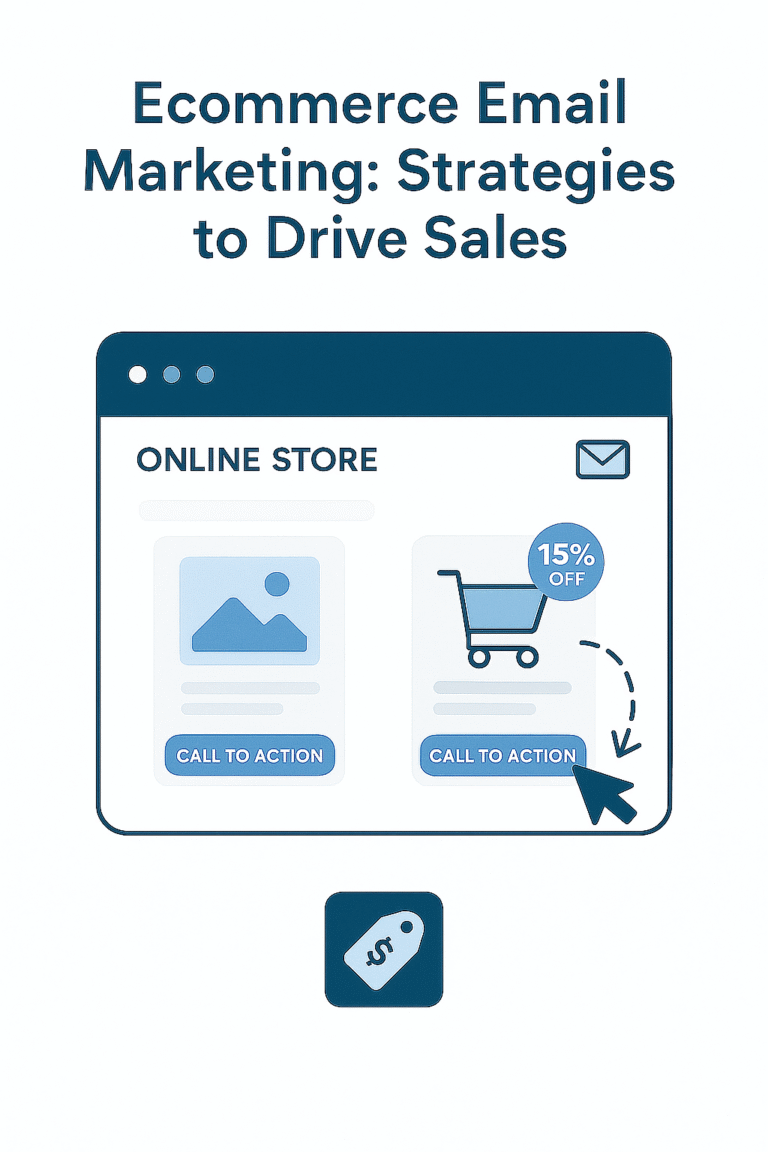
- Abandoning a shopping cart.
- Making a purchase.
Think of it as watering your leads consistently until they are ready to take action.
Why Drip Campaigns Work in 2025
- Automation Saves Time: Set it and forget it.
- Higher Engagement: Timely, relevant emails outperform generic blasts.
- Lead Nurturing: Educate subscribers gradually, building trust.
- Increased Conversions: Targeted emails deliver higher ROI than one-off campaigns.
Step 1: Define Your Goal
Before creating a drip campaign, ask:
- Are you nurturing leads, onboarding new customers, or recovering abandoned carts?
- What action do you want the subscriber to take?
Clearly defining your goal will guide your content and sequence.
Step 2: Segment Your Audience
Drip campaigns work best when personalized. Segment your subscribers by:
- Behavior (clicked, opened, purchased)
- Demographics (location, age, industry)
- Interests (content downloaded, products viewed)
Segmentation ensures your emails are relevant and timely.
Step 3: Plan the Email Sequence
A typical drip campaign sequence may include:
- Welcome Email → Introduce your brand and deliver promised content.
- Follow-Up Email → Share valuable tips, resources, or case studies.
- Engagement Email → Ask for feedback, quiz participation, or survey.
- Conversion Email → Promote your product, service, or offer.
- Re-Engagement Email → Send to inactive subscribers to rekindle interest.
💡 Pro Tip: Keep 3–7 emails per sequence — too few may not nurture, too many may overwhelm.
Step 4: Craft High-Converting Email Content
- Subject Line: Short, actionable, curiosity-driven.
- Body: Focus on benefits, keep paragraphs short, use bullets.
- CTA: Clear, single action per email.
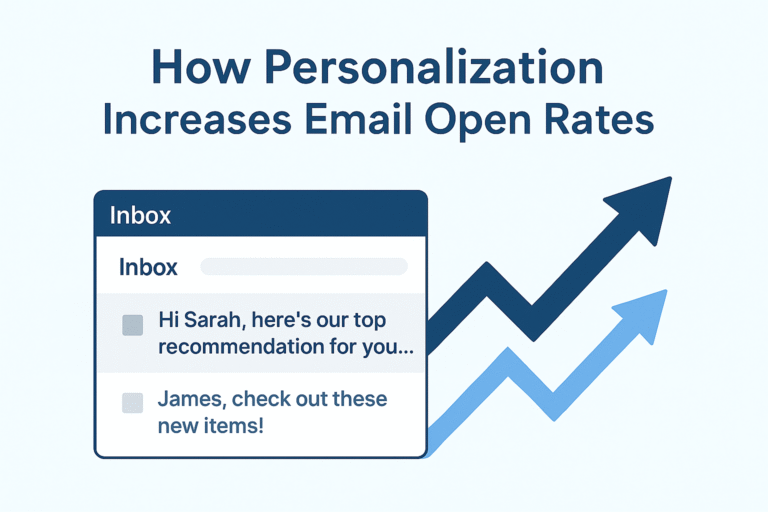
- Personalization: Name, behavior, product recommendations.
Step 5: Set Triggers and Timing
- Determine trigger actions (signup, download, purchase).
- Decide time intervals (daily, every 2 days, weekly).
- Monitor and adjust based on engagement metrics.
Step 6: Test and Optimize
- Track open rates, CTR, and conversions for each email.
- A/B test subject lines, content, and CTAs.
- Adjust frequency and messaging based on subscriber behavior.
Common Drip Campaign Mistakes to Avoid
❌ Sending too many emails at once
❌ Using generic content for all segments
❌ Ignoring mobile optimization
❌ Not analyzing performance metrics
Final Thoughts
Drip campaigns are a powerful tool for automated lead nurturing in 2025. By delivering the right message at the right time, you can:
- Build stronger relationships
- Boost engagement
- Increase conversions
Start small, test frequently, and scale your sequences as you learn what works best for your audience.